Silk Roads, Nomadic and Central Asian Studies
Journeys and Antiquaries of the Торгоны зам хөтөлбөр (Silk Roads Program)
Bukharan Jews, Mountain Jews, and Jews from the Cherta Ocedlocti (Pale of Settlement) migrated to central and eastern areas of the Imperial Russian. This migration continued into the Soviet and Post-Soviet (FSU) Eras.
As the world explores for more energy and mineral resources Central Asia is opening up and in need of defining itself. These are the lands of the Silk Roads. Urban and Middle Class economies are developing in Central and East Asia. Desire to learn more about culture including Jewish culture and the merchants who traversed these near-mythical routes is growing.
For over a century, the Silk Road — a term coined in 1877 by German explorer Baron von Richthofen — has intrigued modern historians and archaeologists who wish to understand the emergence of what many consider the world’s most complex ancient overland trade system. “The locations of ancient cities, towns, shrines and caravan stops have long illustrated key points of interaction along this vast network, but defining its many routes has been far more elusive,” Frachetti said. “As a result, there is little known of the detailed pathways used for millennia by merchants, monks and pilgrims to navigate and interact across the highlands of Inner Asia.” (Credit: Gerry Everding, Nature: Silk Road evolved as ‘grass-routes’ movement, March 8, 2017)
(Fall 2025) and (Winter 2026) Program Details:
- (NEW) ‘Silk Roads and Shangri La‘ course – open to Masters (SILK 500) and Bachelors (SILK 100) levels
- experience life inside authentic nomadic ger (Mongolian traditional homes) and be a part of language and cultural preservation in this part of the indigenous world
- learn one of either the Modern Mongolian or Old Mongolian languages
- journey with us here in Mongolia from trackless waste deserts and caravan routes
- journey and the mysterious reindeer people
- you can explore rarely traveled roads (rarely seen by regular tourists)
- camp in the Gobi Desert, Ice Caves and other wilderness abodes
- rest in an assortment of many hotel options in the capital city Ulaanbaatar filled with 21st century glass skyscrapers, countless restaurants and shopping malls
- In-Person and Online
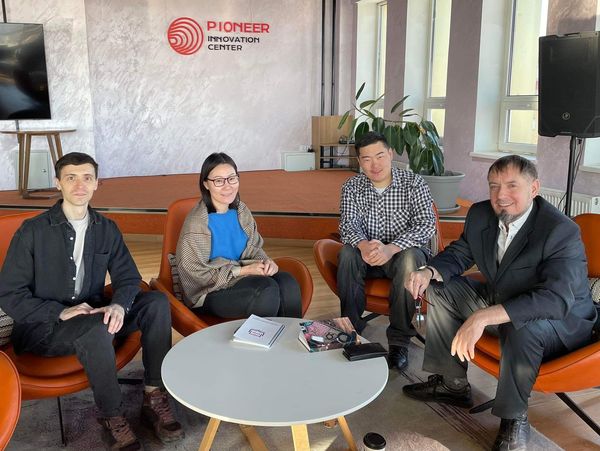
Finkelperel Institute Faculty, (Autumn 2022)
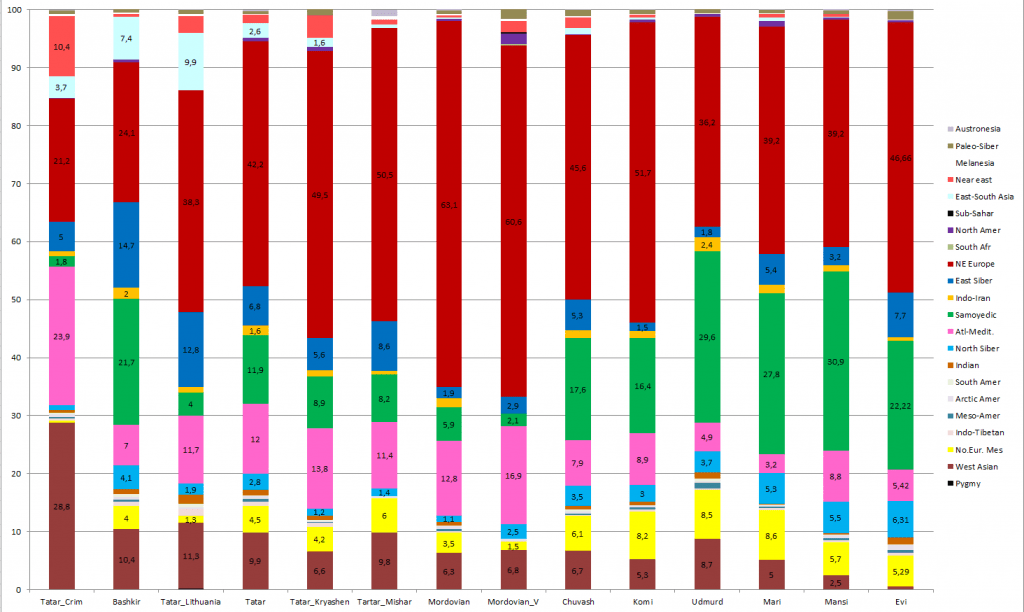
- The Finkelperel Institute is conducting research on Central Asian people groups and their relationship to possible Jewish genetic markers, chromosomal identifiers
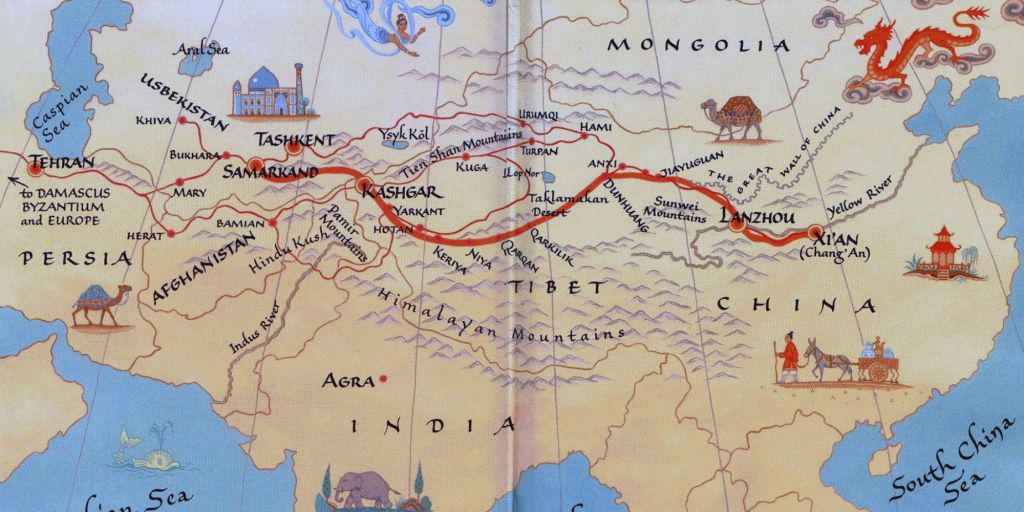
Silk Road Routes (Mongolian: Торгоны замууд)
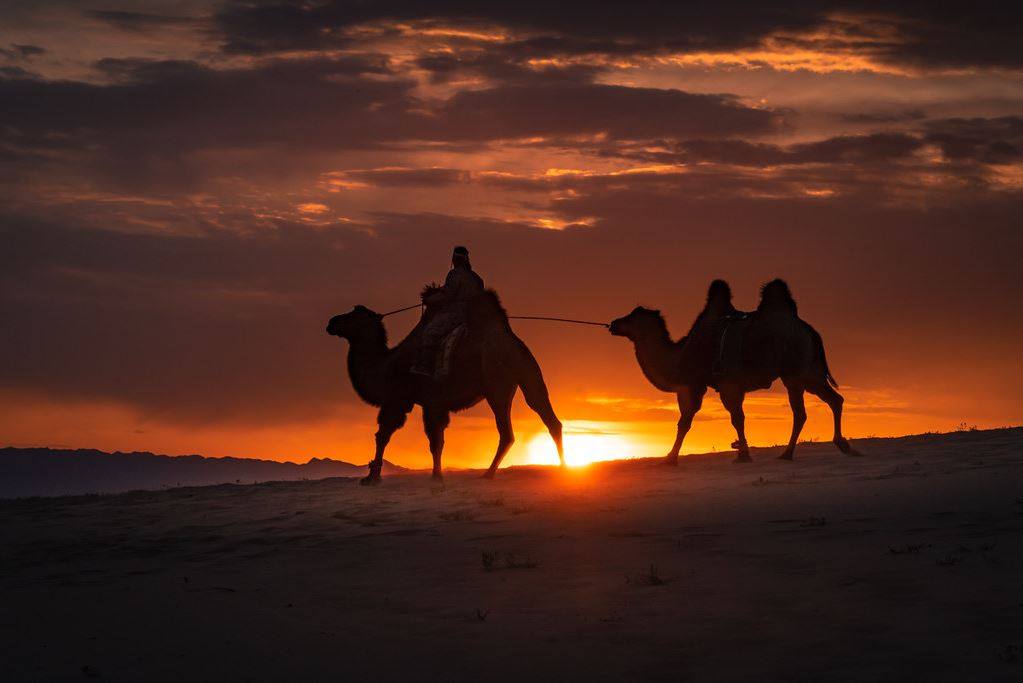
- an aim to better understand Jewish Merchants, Nestorians and other travelers of the Silk Roads

Solongo (Rainbow) Munkh-Dulam, Recent School of Medicine – English Language Graduate, MNU

Mergenbaatar, from Inner Mongolia, International Student, International Relations (IR) Foreign Languages Major, Finkelperel Institute
Academic Study Options | In-Person and Online
- Walk with us and discover the mysterious lands of the Silk Roads is ways – you have never known about.
Scholars believed that the east-west exchanges in ancient times went far beyond commercial goods and merchandise. These routes came to be known as the Silk Roads (also known as the Spice Routes, Tea Routes or Porcelain Routes).
- Grow your business network commercially and travel by camel to your own fine style and relaxation.
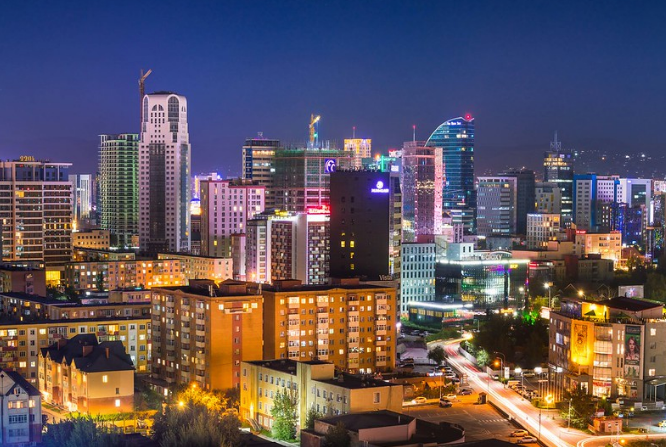
Option 1: IN-PERSON
Option 2: ONLINE
News | Ancient DNA study tracks formation of populations across Central Asia
Copyright © 2025-6 Finkelperel Institute for Israeli and Jewish Studies
 Finkelperel Institute for Israeli and Jewish Studies